

Registering a car in California is more than just a bureaucratic task; it’s a crucial step towards legally operating your vehicle on state roads. However, navigating the process can be challenging, with various requirements and procedures that often leave owners confused. This article serves as your comprehensive guide, offering step-by-step instructions to ensure a smooth registration experience. We’ll delve into every aspect, from gathering essential documents to understanding fees, and even highlight the significance of DMV VIN verification for accurate and legitimate transactions. By the end, you’ll be equipped with the knowledge needed to confidently register your vehicle in the Golden State.
- Prepare Required Documents for Car Registration
- Visit California DMV: Steps to Follow
- Vehicle Identification Number (VIN) Verification Process
- Pay Registration Fees: Understanding Costs
- Complete the Registration and Receive Your Plate
Prepare Required Documents for Car Registration

To prepare for your car registration at the DMV, gathering the required documents is a crucial step. You’ll need several key pieces of information and paperwork to ensure a smooth process. First, obtain your vehicle’s Vehicle Identification Number (VIN) from either the dashboard or the driver-side door post. This unique 17-character code is essential for identification and can be easily verified through a mobile VIN verification service. Many apps and online tools now offer convenient mobile VIN inspection, allowing you to check your car’s history and ensure its authenticity before registration.
Next, gather important documents such as the title or bill of sale showing proof of ownership, a valid driver’s license, and current insurance cards. If you’re registering a new vehicle, you’ll need purchase documentation from the dealer or manufacturer. Additionally, have a current registration from another state if you’ve recently moved, which will facilitate the transfer process. It’s recommended to double-check with your local DMV for any additional requirements as regulations can vary slightly.
For instance, some states may mandate specific forms or require proof of safety inspections. Utilizing a mobile VIN verifier can also assist in identifying potential issues early on, such as outstanding recalls or previous accidents, which might impact registration. This proactive approach ensures that you’re fully prepared and minimizes delays during the registration process at your local California DMV office.
Visit California DMV: Steps to Follow
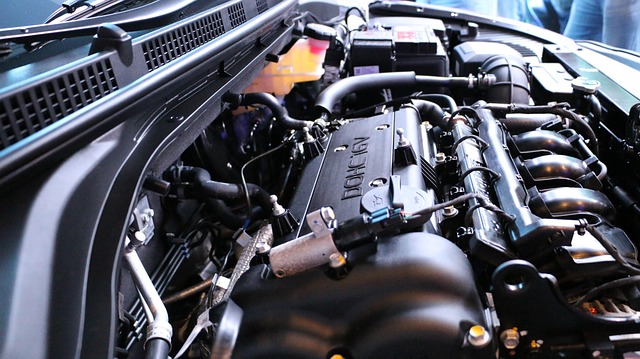
To register your car in California, you’ll need to visit a California DMV office. The process involves several steps designed to ensure vehicle safety and compliance with state laws. Begin by gathering all necessary documents such as proof of ownership, proof of insurance, and identification. It’s crucial to have your Vehicle Identification Number (VIN) ready for verification, which can be done through a standard dmv vin verification process. You may opt for a traditional in-person inspection or leverage modern alternatives like mobile VIN verifier apps for convenience.
Upon arrival at the DMV, locate the registration counter and present your documents. A DMV representative will review your paperwork and conduct a thorough VIN inspection to confirm the vehicle’s authenticity and history. This step is vital as it helps prevent fraud and ensures that your car meets safety standards. If your vehicle is out-of-state or imported, additional documentation may be required to prove its compliance with California emissions and safety regulations.
In some cases, you can expedite the process by scheduling an appointment ahead of time. This is particularly useful for complex cases requiring more extensive VIN inspections, such as classic cars or vehicles with modified components. Alternatively, many DMV offices now offer mobile VIN inspection services, allowing you to get preliminary verification before visiting the office. These options not only save time but also provide added convenience, especially if you’re unfamiliar with the area or have a busy schedule.
Vehicle Identification Number (VIN) Verification Process

Registering a car in California involves several steps, one of which is the critical process of Vehicle Identification Number (VIN) verification. This step ensures that your vehicle’s details match the information on record with the Department of Motor Vehicles (DMV). The VIN is a unique code that identifies your car and can be used to verify its history, previous owners, and any recalls or defects. During registration, you’ll need to provide this number for a thorough dmv vin verification process.
The VIN inspection is typically conducted by a designated agent or at a DMV office. They will cross-reference the provided VIN with their database to confirm the vehicle’s identity and history. This includes checking for any outstanding issues such as outstanding loans, liens, or recalls. In some cases, a mobile vin verification service may be employed, where a specialist uses advanced technology to perform the inspection remotely, offering convenience and speed. For instance, mobile vin verifiers can access real-time data, ensuring accuracy within seconds.
If your vehicle passes the dmv vin verification, you’ll proceed with registration without issue. However, if discrepancies are found, you may need to address them before completing the registration process. This could involve rectifying documentation errors, paying off any outstanding balances, or addressing safety concerns as identified by recall notices. By understanding and preparing for this crucial step, you can streamline the car registration process in California, ensuring your vehicle’s legal status and your peace of mind.
Pay Registration Fees: Understanding Costs

Registering a car in California involves several crucial steps, one of which is paying the registration fees. Understanding these costs is essential to ensure you’re prepared for the process. The fees vary based on vehicle type and age, with additional charges for late registration or specific vehicle classifications like commercial vehicles. For instance, as of 2023, standard car registrations range from $57 to $174, depending on emissions compliance and whether a smog test is required.
One critical aspect to consider is the DMV VIN verification process, which ensures the vehicle’s identity and history. Traditionally, this involves visiting a local DMV office with necessary documents. However, modern solutions like mobile VIN verification services offer convenience by allowing users to complete the VIN inspection online or through a mobile app. These services provide real-time results, ensuring accuracy and saving time for both consumers and auto dealers.
For example, some mobile VIN verifier apps not only check vehicle history but also perform a digital odometer rollback test, providing an additional layer of verification. This is particularly beneficial in cases where the vehicle’s mileage is a concern. While these services may come with a small fee, they often offer significant advantages in terms of speed and ease of use. It’s recommended to compare different options, considering factors like cost, accessibility, and user reviews before choosing a method for your DMV VIN verification.
Complete the Registration and Receive Your Plate

After gathering all your necessary documents and passing the California driver’s test, it’s time to complete the registration process at the Department of Motor Vehicles (DMV). This involves submitting your application, providing proof of insurance, and undergoing a critical step: DMV VIN verification. The Vehicle Identification Number (VIN) inspection is a crucial part of ensuring the car’s history is accurate and free from any discrepancies.
For many, the VIN inspection can be efficiently completed using a mobile VIN verifier. These tools allow you to input your VIN and access vital information about the vehicle’s past, including accident reports, title records, and maintenance histories. This digital approach streamlines the process, saving time and potentially uncovering important details that could impact your registration. By utilizing these modern verification methods, you can rest assured that your car’s registration is based on accurate and up-to-date data.
Once your VIN inspection is successfully completed, and all other requirements are met, the DMV will issue a registration certificate and license plate. You’ll receive your official plate, which must be displayed on your vehicle at all times when it’s operated on California roads. It’s essential to keep your registration up-to-date, as renewal deadlines are strictly enforced, and late fees apply. Regularly checking and updating your information, including any changes in ownership or address, ensures a smooth and legal driving experience.
By meticulously preparing required documents, visiting a California DMV office, undergoing the essential dmv VIN verification process, understanding registration fees, and completing the registration with prompt plate issuance, you can ensure your car’s legal status in the Golden State. This streamlined guide equips you with the knowledge to navigate the car registration process efficiently, ensuring compliance and peace of mind on California’s roads.