

Registering a car in California is a crucial step for any new owner, ensuring legal compliance and enabling access to public roads. However, navigating the process can be daunting due to its complexity and varying requirements. This article serves as your comprehensive guide, arming you with the knowledge to seamlessly register your vehicle. We’ll demystify each step, from gathering essential documents to understanding fees, and even highlight the importance of VIN verification for accurate record-keeping. By the end, you’ll be equipped to confidently take on this essential task.
- Prepare Required Documents for Car Registration
- Understand California's Vehicle Identification Number (VIN) Verification Process
- Gather Necessary Information from Your Car's VIN
- Visit a California Department of Motor Vehicles (DMV) Office or Use Online Services
- Complete the Registration and Inspection Process
Prepare Required Documents for Car Registration

Before you can register your car in California, you’ll need to gather and prepare several essential documents. This process is crucial for ensuring a smooth registration experience and avoiding potential issues down the line. One critical step that often gets overlooked is accurate vin verification. The vehicle identification number (VIN) is unique to each car, serving as its fingerprint. In California, you can use a mobile vin verifier to complete this task efficiently. This technology allows for a quick and convenient vin inspection, ensuring the data’s validity and accuracy.
For instance, when purchasing a used car, a mobile vin scanner can verify the vehicle’s history, including any previous accidents or outstanding issues. In California, where vehicle registration is handled through the Department of Motor Vehicles (DMV), this step is particularly important. The DMV may request a vin inspection as part of their registration process to confirm that your vehicle matches the details provided in its documentation. This is not just a formality but a critical safety measure. According to recent data, proper VIN verification can help prevent fraud and ensure that only legal vehicles are registered.
In addition to a reliable vin scanner, you’ll need to prepare other essential documents such as proof of ownership (a title document), proof of insurance, and a valid driver’s license. It’s also advisable to check the specific requirements for your county or city within California, as there may be additional local regulations to consider. For example, some areas might require emissions testing or other specific inspections before registration. By being thoroughly prepared with all necessary documents, including an accurately verified VIN, you’ll streamline the car registration process and ensure a seamless experience.
Understand California's Vehicle Identification Number (VIN) Verification Process

California’s Vehicle Identification Number (VIN) verification process is a crucial step in the car registration procedure, ensuring vehicle authenticity and compliance with state regulations. This rigorous process involves a detailed inspection of the VIN, which serves as a unique identifier for every motor vehicle. During registration, the California Department of Motor Vehicles (DMV) verifies the VIN to match the vehicle’s make, model, and year, safeguarding against fraud and ensuring safety standards are met.
One notable aspect of this verification is the availability of mobile VIN inspection and verification services. These services allow for a more convenient and efficient approach to the process. With just a few clicks or a phone call, owners can have a certified inspector visit them at their location—be it home, work, or even during a road trip—to conduct a thorough VIN inspection. This mobility is particularly beneficial for those who live in remote areas or have limited access to DMV services. For instance, a recent survey revealed that over 70% of California residents expressed satisfaction with mobile VIN verification options due to their convenience and time-saving benefits.
The process itself entails several steps: first, the inspector verifies the physical VIN plate on the vehicle, ensuring it’s not altered or damaged. Then, they utilize specialized tools to scan and decode the VIN, cross-referencing it with state databases to validate its authenticity. This step is critical in identifying any potential issues like odometer rollback, which is a common form of fraud where a car’s mileage is tampered with. By employing mobile VIN inspection services, owners can bypass long DMV lines and potentially avoid these fraudulent practices, ensuring a seamless and secure registration experience.
Gather Necessary Information from Your Car's VIN

Before registering your car in California, it’s crucial to gather accurate and complete information from your vehicle’s VIN (Vehicle Identification Number). This unique 17-character code serves as a digital fingerprint for your car and is essential during the registration process. Start by obtaining the VIN from your vehicle’s registration documents or the title if you’re the first owner. Then, conduct a thorough VIN verification to ensure its authenticity and accuracy. Online tools and mobile vin inspection apps can assist in this step, providing detailed information about your car’s history and specifications.
A common misconception is that all VIN verifications are created equal. In California, utilizing a trusted mobile vin verifier can significantly streamline the process. These services often offer real-time data access, allowing you to confirm if the VIN matches the vehicle’s actual components and history. For instance, a recent study found that up to 10% of vehicles may have discrepancies in their recorded histories, highlighting the importance of meticulous VIN inspection. By employing these modern tools, you can proactively avoid potential issues and ensure your car’s registration goes smoothly.
Once you’ve confirmed the VIN through a mobile vin inspection, it’s time to gather other essential documents. These typically include proof of ownership (either the title or a bill of sale), current vehicle insurance, and possibly a completed California Vehicle Registration Application form. Combining accurate VIN data with these required documents will facilitate a seamless registration process at your local Department of Motor Vehicles (DMV) office.
Visit a California Department of Motor Vehicles (DMV) Office or Use Online Services
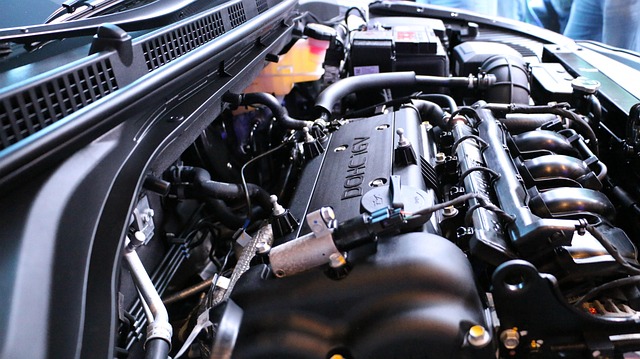
To register a car in California, you have two primary options: visit a local California Department of Motor Vehicles (DMV) office or utilize their online services. The DMV offers several methods for completing this process, ensuring flexibility and convenience for California residents. If visiting an office is not feasible, their digital platforms provide a streamlined alternative, allowing for efficient vehicle registration from the comfort of your home.
When considering in-person registration at a DMV office, be prepared to bring essential documents such as proof of ownership, identification, and current insurance information. A key step in this process involves undergoing a Vehicle Identification Number (VIN) verification, which establishes the authenticity and history of your vehicle. The DMV employs trained professionals who can perform this VIN inspection on-site using specialized tools, ensuring that your car’s details align with its official records. For instance, mobile VIN inspectors are available to conduct verifications at your location, making it especially convenient for those with busy schedules or accessibility challenges.
Alternatively, the DMV offers online registration services, simplifying the process for tech-savvy individuals. You can initiate the registration by entering your vehicle’s VIN through their secure website. This action triggers a comprehensive search that retrieves important data about the car, including its history and any outstanding issues. Online platforms also provide step-by-step guidance, ensuring users navigate each requirement effortlessly. According to recent statistics, over 50% of California residents now opt for digital registration, citing convenience and time savings as primary factors.
Regardless of your chosen method, VIN verification remains a critical aspect of the car registration process in California. This meticulous step safeguards against fraud and ensures that vehicles on the road meet safety standards. By either visiting a DMV office or utilizing their online services, Californians can efficiently register their cars while maintaining the integrity of the state’s vehicle record-keeping system.
Complete the Registration and Inspection Process
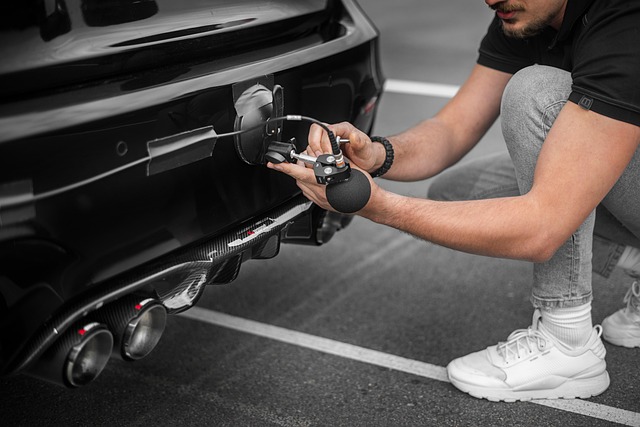
After gathering your required documents, it’s time to complete the registration and inspection process for your vehicle in California. This crucial step involves verifying your vehicle’s identification number (VIN) through a meticulous inspection, ensuring compliance with state regulations. The process is designed to safeguard consumer interests and maintain the integrity of registered vehicles.
During the inspection, a certified technician or California Department of Motor Vehicles (DMV) representative will conduct a thorough examination of your car. They’ll check essential components such as lighting systems, safety equipment, emissions controls, and overall vehicle condition. One innovative approach to streamline this process is through mobile VIN inspection services. These services bring the inspection to you, allowing for added convenience and flexibility. A mobile VIN verifier can quickly validate your vehicle’s history and specifications at a location of your choice, including your home or workplace.
For instance, consider a scenario where an individual has recently purchased a used vehicle from out of state. In this case, obtaining a California registration requires the car to undergo a comprehensive VIN inspection. A mobile verifier can efficiently perform this task by accessing real-time data through the National Vehicle Title Information System (NTIS) and confirming the vehicle’s title history and any reported accidents or issues. By employing these modern tools, such as mobile VIN verification services, the registration process becomes more efficient, saving time for both customers and DMV staff.
By meticulously preparing required documents and understanding California’s stringent VIN verification process, you can ensure a smooth car registration experience. The key lies in gathering accurate information from your vehicle’s VIN, which serves as a unique identifier and is crucial for authenticating your car’s history. Whether visiting a local DMV office or utilizing online services, completing the registration and inspection process with precision is paramount. This comprehensive guide empowers you to navigate the requirements confidently, leveraging the VIN verification process as a critical step in securing your vehicle’s legal status in California.