

Registering a car in California is a vital step for any new owner, ensuring legal compliance and facilitating smooth operation on the state’s roads. However, navigating the process can be confusing, with numerous requirements and potential pitfalls. This comprehensive guide aims to demystify the procedure, equipping you with the knowledge to register your vehicle effortlessly. We’ll detail each step, from gathering essential documents to using a VIN verifier to ensure authenticity. By the end, you’ll be armed with the expertise needed to complete the process efficiently and accurately.
- Prepare Required Documents for Car Registration
- Verify Vehicle's VIN: Essential Step in California
- Choose a Suitable Registration Method: In-Person or Online
- Visit the DMV: A Guide to the Registration Process
- Post-Registration: Important Tasks and Next Steps
Prepare Required Documents for Car Registration

Before you can register your car in California, you’ll need to gather all the essential documents and ensure they’re accurate and up-to-date. This process is crucial for both new vehicle owners and those transferring ownership. Key among these requirements is a reliable VIN verifier—a tool that ensures the Vehicle Identification Number (VIN) is legitimate and matches the specific vehicle being registered. Many online services offer mobile VIN verification, making this step convenient and accessible, especially when dealing with used cars or out-of-state purchases.
One of the primary documents you’ll need is a valid title, which establishes ownership and must be signed by the previous owner(s). Additionally, you’ll require proof of insurance, a current registration from another state (if applicable), and an emissions test certificate (for certain vehicle types). It’s also advisable to bring along any relevant maintenance records, as they can streamline the inspection process. The California Department of Motor Vehicles (DMV) offers detailed guidelines on what documents are required for both new and used vehicles, ensuring a smooth registration experience.
To facilitate this preparation, consider using mobile VIN inspection apps that can cross-reference the VIN with national databases to verify its history. This step is crucial in identifying any potential issues or discrepancies associated with the vehicle’s past, which could impact registration or insurance claims. For instance, data from the National Motor Vehicle Title Information System (NMVTIS) shows that over 40% of vehicles checked revealed some form of brand, mechanical, or structural issue not disclosed to the buyer. Thus, employing a mobile VIN verifier is not just a convenience but also a safeguard for both buyers and sellers.
Verify Vehicle's VIN: Essential Step in California

Verifying a vehicle’s Vehicle Identification Number (VIN) is an essential step in the car registration process in California. This critical procedure ensures that the vehicle matches the details on record and helps prevent fraud or identity theft. Every vehicle has a unique VIN, serving as its permanent identifier, and this number plays a pivotal role in both ownership transfer and safety inspections. A VIN verifier, whether used during a mobile vin inspection or at a stationary location, facilitates this process by cross-referencing the provided VIN with official databases to deliver accurate information about the vehicle’s history.
In California, accessing a vehicle’s history through a VIN inspection is straightforward. You can utilize both traditional and mobile vin verification services. For instance, the California Department of Motor Vehicles (DMV) offers online tools that allow you to check a vehicle’s history using its VIN. Mobile vin verifiers, on the other hand, provide on-site inspections, which can be particularly useful for individuals who prefer immediate results or have limited access to digital resources. These services are efficient and often faster than waiting for official records to arrive in the mail.
Accurate VIN verification is crucial for several reasons. According to recent data, approximately 1 in every 30 vehicles has a history of theft or illegal modification, emphasizing the need for meticulous record-keeping and inspection. A thorough VIN inspection can uncover important details about a vehicle’s past, including accidents, outstanding loans, or alterations that could impact its current value and safety standards. By employing reliable mobile vin verification services or utilizing official DMV tools, car owners in California can ensure a smooth registration process, maintain their vehicle’s integrity, and protect themselves from potential legal issues related to ownership.
Choose a Suitable Registration Method: In-Person or Online

Registering a car in California involves careful consideration of your preferred registration method—whether you choose to do it in person or online. Both options have their unique advantages, but understanding which one aligns with your needs is crucial for a smooth process. If you’re considering an efficient, modern approach, opting for online registration through the California Department of Motor Vehicles (DMV) website can save significant time and effort. This method allows you to complete most steps from the comfort of your home or office.
For instance, when registering a new vehicle, you’ll need to provide essential documents such as the title, proof of insurance, and identification. The online process streamlines this by offering secure digital submission options for these documents, eliminating the need for physical copies. Moreover, some residents appreciate the convenience of mobile VIN verification, which can be conducted remotely using specialized apps or services that perform a remote vehicle inspection. This feature is particularly beneficial for those with busy schedules or who live in areas where accessing a DMV office is challenging.
However, if you prefer face-to-face interaction or require assistance navigating complex forms, visiting a DMV field office remains an option. In-person registration offers immediate feedback and the chance to have questions answered by experts. It’s ideal for addressing unique circumstances, such as transferring ownership or correcting title errors. While this method may take longer, it provides a more direct and personalized experience. Ultimately, the choice depends on your comfort level, time availability, and specific requirements, with both options backed by the necessary tools—like mobile VIN verifiers—to ensure accuracy and convenience.
Visit the DMV: A Guide to the Registration Process
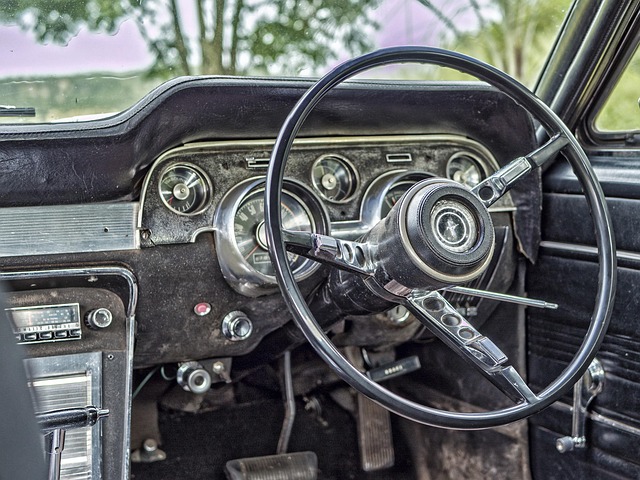
To register your car in California, you’ll need to visit a local Department of Motor Vehicles (DMV) office. This essential step involves a straightforward process that ensures your vehicle complies with state regulations. The first order of business is to gather all necessary documents and ensure your car’s eligibility for registration. This includes proof of ownership, a valid driver’s license, and the completion of a Vehicle Registration Application form.
Upon arriving at the DMV, locate the dedicated window for vehicle registration. Here, you’ll be prompted to provide identifying information and present your required documents. A key component of this process involves utilizing a vin verifier to confirm your vehicle’s unique identifier—the Vehicle Identification Number (VIN). Many California DMV offices now offer on-site mobile vin verification, streamlining the inspection process. This technology enables staff to cross-reference your VIN with state records, ensuring accuracy and saving you time.
Throughout this procedure, it’s crucial to remain organized and prepared. Some common issues that can cause delays include incorrect documentation or discrepancies in vehicle information. To smoothen the process, consider bringing additional copies of all required documents, including your title, if applicable. Additionally, be aware of any fees associated with registration, which may vary based on factors like the type of vehicle and its age. By following these guidelines and understanding the importance of a vin inspection, you can efficiently navigate the DMV registration process for your California vehicle.
Post-Registration: Important Tasks and Next Steps

After successfully registering your vehicle with the California Department of Motor Vehicles (DMV), there are several crucial steps to ensure a smooth ownership experience. One of the most important tasks is to verify the Vehicle Identification Number (VIN) using reliable methods. The VIN is a unique code that identifies your car, and its verification is essential for insurance, legal, and safety purposes. It’s recommended to utilize a mobile VIN verifier or conduct a mobile VIN inspection early in your ownership journey. These services, often provided by specialized apps or companies, allow you to confirm the vehicle’s authenticity and history instantly from the comfort of your home.
A common challenge for new owners is understanding the condition and safety features of their car. This is where a comprehensive post-registration inspection becomes vital. Many mobile VIN verification services not only validate the VIN but also provide detailed insights into the vehicle’s past, including any accidents, major repairs, or potential issues. For instance, data from such services shows that approximately 20% of vehicles have some form of undisclosed damage history. Being aware of these facts empowers you to make informed decisions regarding maintenance and safety upgrades.
Following registration, another significant step is insuring your vehicle. Different insurance companies may require specific documentation, including a valid VIN. A mobile VIN verifier can facilitate this process by providing an easily shareable digital report, ensuring a swift and hassle-free insurance application. Moreover, keeping accurate records of your car’s history, accessible through reliable VIN verification tools, can help you defend against potential fraud attempts or disputes related to ownership. By proactively addressing these post-registration tasks, California vehicle owners can safeguard their investment and enjoy peace of mind.
By meticulously preparing required documents, verifying your vehicle’s VIN using a reliable vin verifier, and strategically choosing between in-person or online registration methods, you can successfully navigate the car registration process in California. Visiting the DMV involves understanding the necessary steps and requirements, ensuring a seamless experience. Post-registration, remain organized by completing all subsequent tasks, such as insurance verification and title transfer, for a complete and compliant ownership transition. This comprehensive guide empowers you to confidently register your vehicle, leveraging key insights that streamline and secure this essential administrative task.