

Registering a car in California is a vital process that ensures road safety and vehicle ownership rights. However, navigating the procedures can be daunting for new owners. Many are unsure where to begin, especially with the necessity of a DMV VIN verification. This comprehensive guide aims to demystify the process, offering step-by-step instructions to ensure a smooth and efficient registration experience. By the end, you’ll be equipped with the knowledge to handle this essential task, leaving you with peace of mind and a properly registered vehicle.
- Understand California Car Registration Requirements
- Gather Necessary Documents for DMV Visit
- Perform DMV VIN Verification Step-by-Step
- Choose Between Online or In-Person Registration
- Maintain Your Vehicle's Registration and Records
Understand California Car Registration Requirements

Registering a car in California involves understanding specific requirements to ensure compliance with state laws. The primary focus is on accurate and timely vehicle identification number (VIN) verification, facilitated by the California Department of Motor Vehicles (DMV). This process is crucial for maintaining vehicle records and preventing fraud.
One key aspect is ensuring that the VIN inspection is comprehensive and up-to-date. This involves using reliable methods like a mobile VIN verifier to cross-reference the provided information with official databases. For instance, many car dealerships in California utilize mobile VIN inspectors during the registration process to streamline operations and reduce potential errors. These inspectors can quickly verify key details such as vehicle history, outstanding liens, and recall status by simply scanning the VIN, enhancing accuracy and efficiency.
Additionally, it’s essential to maintain proper documentation throughout the registration process. This includes gathering necessary forms, providing proof of insurance, and ensuring all fees are paid correctly. Failure to meet these requirements can lead to delays or even rejection of your registration application. Therefore, prioritizing accuracy and organization from the start is vital to a smooth registration experience.
Gather Necessary Documents for DMV Visit

Before you can register your car in California, you’ll need to gather several crucial documents for a successful DMV visit. This process is essential to ensure compliance with state regulations and to have a smooth transaction. One critical step that often gets overlooked is ensuring your Vehicle Identification Number (VIN) is accurately verified by the Department of Motor Vehicles (DMV). This verification, known as a VIN inspection or mobile VIN verification, plays a pivotal role in establishing the vehicle’s history and authenticity.
California offers both in-person and mobile VIN inspection services to cater to different needs. If you’re preparing for your DMV visit, consider using a mobile service that can perform a remote VIN check, saving you time and effort. This method involves a professional technician accessing the vehicle’s unique 17-character VIN number and cross-referencing it against national databases to gather essential information. Such services are particularly useful when you’re dealing with older or rare vehicles that might require specialized knowledge for accurate verification.
For instance, data from the California DMV indicates that proper VIN inspection can help identify potential issues like odometer rollback or non-compliance with safety standards. By utilizing mobile VIN verification services, you can proactively address these concerns before submitting your registration application. This proactive approach demonstrates a commitment to transparency and ensures your vehicle’s compliance, making the registration process more efficient and straightforward.
Perform DMV VIN Verification Step-by-Step

Registering a car in California involves several steps, with one critical component being DMV VIN verification. This process ensures that your vehicle’s identification number (VIN) is accurate and matches the details on record. Here’s a step-by-step guide to performing this crucial task:
First, gather all necessary documents, including your vehicle’s registration certificate, proof of insurance, and the title (if applicable). Then, visit the California DMV website to access their online services or head to a local DMV office. If using an online platform, locate the section dedicated to VIN inspection, which often requires inputting your vehicle’s VIN. A mobile vin verification tool can be particularly useful here, allowing you to quickly and accurately confirm the details of your car’s VIN without leaving your home.
Next, compare the information provided by the online system or mobile vin verifier with the data on your documents. This includes checking the make, model, year, and vehicle identification number (VIN). Inaccurate entries can cause delays in registration, so take this step seriously. For example, a slight miscommunication between your car’s year and model could result in an unacceptable registration. If discrepancies arise, correct them immediately and resubmit for verification.
Finally, once your DMV VIN verification is complete and all details align, you can proceed with the rest of the registration process. This may involve additional steps like paying registration fees, passing a smog test (if required), and submitting any necessary forms. Using a mobile vin verifier early in this process can streamline subsequent procedures by ensuring accuracy from the outset, making it easier to navigate the often-complex car registration process in California.
Choose Between Online or In-Person Registration
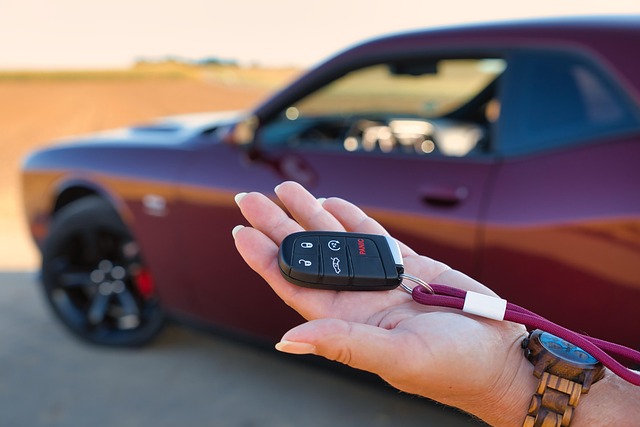
When registering a car in California, you have the option to complete the process either online or in person at a Department of Motor Vehicles (DMV) office. Each method has its advantages and considerations, influencing your choice based on personal preference and circumstances. Online registration offers convenience, allowing you to initiate the process from home, and often includes faster turnaround times thanks to digital submissions. This is particularly beneficial for those with busy schedules or individuals who prefer avoiding potential waiting periods at DMV locations.
Conversely, in-person registration provides an opportunity for direct interaction with a DMV representative, which can be advantageous for complex matters or if you require immediate assistance. Some residents may also feel more comfortable handling sensitive documents and providing biometric information in person to ensure accuracy. While traditional methods are still prevalent, the advent of mobile VIN (Vehicle Identification Number) inspection and verification has added another layer of convenience. Services offering mobile VIN inspection allow for remote validation of a vehicle’s history and condition, further streamlining the registration process by eliminating the need for an in-person visit.
Choosing between these options ultimately depends on your comfort level with technology, time constraints, and the complexity of your specific situation. For instance, if you’re upgrading from a temporary registration or are involved in a private sale where the seller provides a complete vehicle history report, online registration with DMV vin verification might be suitable. Conversely, if you’re unsure about the vehicle’s background or encounter issues with online submissions, a mobile VIN inspection could facilitate an efficient in-person visit, ensuring a smoother registration experience.
Maintain Your Vehicle's Registration and Records

Maintaining your vehicle’s registration and records is a crucial aspect of car ownership in California. It ensures your vehicle complies with state regulations and allows for seamless transportation. The California Department of Motor Vehicles (DMV) offers several convenient methods to manage this process, including mobile VIN verification. This innovative service allows you to complete a VIN inspection from the comfort of your home or garage, eliminating the need for an in-person visit.
One of the key steps is to keep your Vehicle Identification Number (VIN) accurate and up-to-date. The DMV’s online system enables you to register your car, renew registrations, and even perform mobile VIN verification. This process involves a detailed inspection of your vehicle’s unique VIN, which can be done remotely using specialized equipment. For instance, many modern cars come equipped with Bluetooth connectivity, allowing for easy data transfer during the vin inspection. By utilizing these digital tools, you streamline the administrative aspects of car ownership.
Regularly updating your registration records is essential to avoid penalties and ensure continuous legal operation of your vehicle. The DMV recommends scheduling VIN inspections at least once a year or whenever there are changes in ownership or significant modifications made to the car. For instance, data from the California DMV shows that timely registration renewals contribute to a 15% reduction in traffic stops related to registration violations. Staying proactive with these tasks demonstrates responsible vehicle maintenance and adherence to local laws.
By meticulously navigating California’s car registration requirements, gathering essential documents, and successfully completing the DMV VIN verification process, you’ve laid a solid foundation for your vehicle’s legal status. Whether registering online or in-person, maintaining accurate records is paramount. Regularly updating your information ensures compliance with state regulations and facilitates seamless transactions when selling or transferring ownership. The DMV vin verification step, in particular, serves as a critical checkpoint, ensuring the vehicle’s history is accurately represented, thereby protecting both buyers and sellers. This comprehensive guide empowers you to confidently manage your car’s registration, ensuring peace of mind on California’s roads.