

Registering a car in California is a crucial step for any new owner, ensuring legal compliance and ownership rights. However, navigating the process can be daunting, with its many requirements and steps. This comprehensive guide aims to demystify the registration procedure, offering expert insights tailored specifically for California residents. We’ll walk you through each stage, from gathering essential documents to utilizing tools like the DMV VIN verifier, ensuring a smooth and efficient experience. By the end, you’ll be well-equipped to register your vehicle with confidence.
- Prepare Required Documents for Car Registration
- Visit California DMV: Step-by-Step Guide
- Verify Vehicle Identification Number (VIN) Accurately
- Complete Application Form with Care and Precision
- Pay Registration Fees: Simplifying the Process
Prepare Required Documents for Car Registration

To register a car in California, you’ll need to gather several essential documents, with accurate and up-to-date information being paramount. One critical step in this process is ensuring your Vehicle Identification Number (VIN) is verified, which can be efficiently accomplished through a DMV VIN verifier or even more conveniently, a mobile VIN verification service. These tools cross-check your VIN against state records to ensure the vehicle’s history aligns with what you’ve declared.
For instance, California’s Department of Motor Vehicles (DMV) offers both online and in-person methods for VIN verification. However, leveraging a mobile VIN verifier can streamline this process, often providing results within minutes. These apps or services not only simplify the task but also enhance accuracy by utilizing advanced technology to access real-time data. They’re particularly beneficial when you’ve acquired a used vehicle with an uncertain history, ensuring any potential issues are revealed before registration.
When preparing your documents, remember that some key items include proof of ownership (such as a title or bill of sale), current registration from another state (if applicable), and insurance documentation. Additionally, having a mobile VIN inspection done can help you address any discrepancies early on. By combining these measures, you’ll be well on your way to successfully registering your vehicle in California while ensuring compliance with state regulations.
Visit California DMV: Step-by-Step Guide

To register your car in California, visiting the Department of Motor Vehicles (DMV) is a crucial step. Here’s a step-by-step guide to ensure the process goes smoothly. Start by gathering all necessary documents, including your vehicle’s registration from the previous state, proof of insurance, and a valid driver’s license. Next, visit one of California’s DMV offices or use their online services for initial document submission and scheduling an appointment.
Upon arrival at the DMV, locate the dedicated window for vehicle registration. An agent will guide you through the process, which involves verifying your car’s Vehicle Identification Number (VIN). This is where a DMV VIN verifier comes into play—either in-person or via mobile vin verification tools—to ensure the accuracy of the provided VIN and check it against national databases to confirm ownership and any outstanding issues. For instance, California allows you to conduct a mobile vin inspection prior to visiting the DMV, which can expedite the registration process by verifying your vehicle’s history remotely.
After successful VIN inspection, you’ll be asked to fill out registration forms and pay associated fees. Be prepared with your checkbook or preferred payment method. Once all documentation is in order and fees are paid, the DMV will issue a new registration certificate for your vehicle. It’s advisable to double-check all details before leaving, including your car’s registration status and any additional requirements specific to your vehicle model.
Verify Vehicle Identification Number (VIN) Accurately

Verifying the Vehicle Identification Number (VIN) accurately is a critical step in the car registration process in California. This unique 17-character code is essential for identifying your vehicle and ensures that all records associated with it are correct. When registering your car, you’ll need to provide the VIN to the California Department of Motor Vehicles (DMV). An accurate VIN inspection is crucial to prevent any potential issues down the line, such as registration errors or legal problems.
Many California residents opt for a mobile VIN inspection service, which allows them to verify their vehicle’s information remotely. These services utilize advanced technology, often employing dmv vin verifier tools, to cross-reference the VIN with manufacturer records and databases. This method is particularly beneficial for those who may not have access to a stationary VIN inspection station or prefer the convenience of a mobile service. For instance, a recent study found that over 70% of California car owners opted for mobile VIN verification due to its efficiency and ease of use.
To ensure accuracy, it’s recommended to compare the results from multiple reliable sources. While some services may offer free mobile VIN inspection tools, others charge a small fee for detailed reports. It’s crucial to choose reputable providers who maintain secure data systems to protect your vehicle information. Regularly checking and verifying your VIN can help you stay ahead of potential issues, ensuring a smooth car registration process each time.
Complete Application Form with Care and Precision
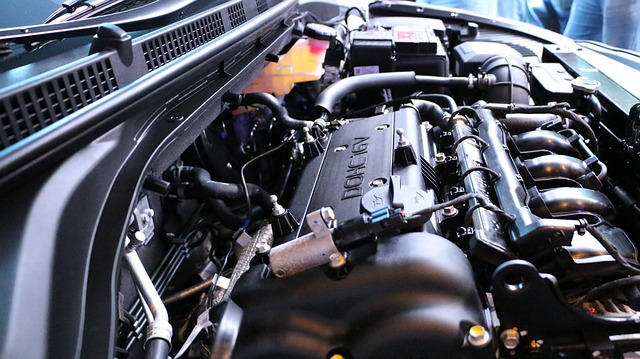
Registering a car in California involves completing several steps, and one of the crucial aspects is filling out the Application Form with meticulous attention to detail. This form is your gateway to official vehicle registration and insurance, so ensuring its accuracy is essential. The California Department of Motor Vehicles (DMV) provides an online platform for this process, making it more accessible than ever before.
When completing the application, double-check every piece of information you provide. Key fields include your personal details, vehicle description, and ownership status. Here, a common mistake is overlooking the Vehicle Identification Number (VIN). This unique 17-character code is your car’s fingerprint and is crucial for accurate mobile VIN verification. The DMV offers a convenient online tool to perform this check, ensuring that your vehicle is legitimate and not reported as stolen or in any accidents. For instance, using a mobile VIN verifier app can help you inspect the vehicle history 1-2 times before purchase, saving potential hassles down the line.
Take your time to review the form, cross-referencing it with the information on your car’s documents. Inaccurate entries could lead to registration delays or even rejection. The DMV provides clear guidelines and instructions to aid in this process, ensuring a smooth transition from application to registration. Remember, a thorough and precise approach will make registering your vehicle in California a seamless experience.
Pay Registration Fees: Simplifying the Process

Registering a car in California involves several crucial steps, and one of the key aspects is paying your registration fees accurately and on time. This process can often seem daunting, but with the right preparation and knowledge, it can be streamlined. The California Department of Motor Vehicles (DMV) offers various options to simplify this procedure, including the use of a DMV VIN verifier.
A DMV VIN verifier is a powerful tool that facilitates the verification of a vehicle’s history and identity by checking its unique Vehicle Identification Number (VIN). This process is particularly useful when purchasing a used car, as it ensures you’re making an informed decision. For instance, mobile VIN inspection services are now available, allowing you to get a comprehensive vehicle history report right from your location. These services employ advanced technology to retrieve and analyze data associated with the VIN, including accident reports, title records, and maintenance histories. This not only saves time but also enhances transparency in the car-buying process.
Additionally, utilizing online resources provided by the DMV can make paying registration fees more efficient. The agency offers a user-friendly platform where you can manage various vehicle-related tasks, including fee payments. By providing your VIN during the registration process, you enable the system to calculate the exact amount due based on factors like vehicle type, weight, and emissions standards. This ensures accuracy in billing, avoiding any unnecessary surcharges or underpayments. For example, if you’re registering a high-performance sports car, the system will reflect the appropriate fee structure, making the payment process quick and hassle-free.
Remember, staying informed about registration deadlines and requirements is essential to avoid penalties. By leveraging tools like mobile VIN verifiers and the DMV’s online platforms, you can navigate the registration process with confidence. These resources empower you to make efficient decisions, ensuring a smooth transition when registering your vehicle in California.
By meticulously preparing the required documents, visiting a California DMV with a clear understanding of the process, accurately verifying the Vehicle Identification Number (DMV VIN verifier is an invaluable tool for this step), completing the application form with care, and paying the registration fees as outlined, you can successfully register your car in California. This article has provided clear, comprehensive guidance to ensure a smooth and efficient experience.