
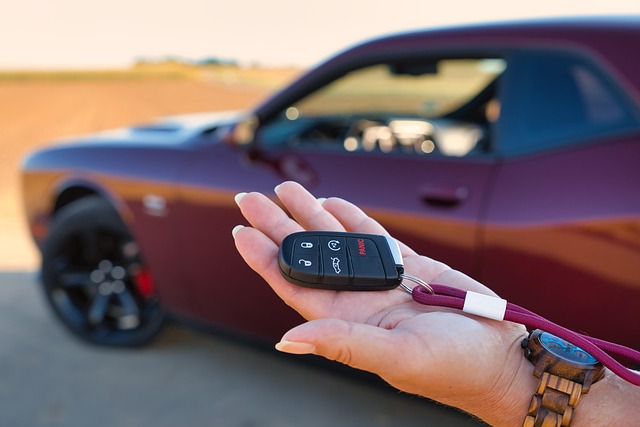
Registering a car in California is a crucial step for any new vehicle owner, ensuring legal compliance and protecting your investment. The process can, however, be complex and time-consuming, especially with varying requirements across regions. Many owners find themselves navigating a labyrinth of paperwork and regulations, often relying on guesswork or professional assistance. To simplify this journey, this article provides an authoritative guide, offering step-by-step instructions and valuable insights. We’ll explore everything from gathering essential documents to using reliable VIN verifiers to ensure a smooth registration process.
- Prepare Your Vehicle Documents for Registration
- Gather Necessary Identification and Proof of Ownership
- Select an Appropriate California Vehicle Registration Class
- Submit Application and Pass VIN Verifier Inspection
- Register Your Car Online or In-Person: A Step-by-Step Guide
Prepare Your Vehicle Documents for Registration

Before you can register your vehicle in California, you’ll need to ensure that all your documents are in order and that your vehicle meets the state’s requirements. One crucial step in this process is preparing your Vehicle Identification Number (VIN) verifier—a key component that guarantees the authenticity of your car. The VIN, a unique code etched into every vehicle, serves as its fingerprint, making it essential for registration and title transfer.
In California, a mobile VIN verifier or scanner is often employed to inspect and confirm the VIN accuracy. This digital tool facilitates a quick and efficient verification process, which can be especially beneficial when dealing with used cars. For instance, buyers should request a VIN inspection report from the seller, detailing the vehicle’s history and any potential issues. With a mobile vin verification app, you can instantly cross-check this information against reliable databases, ensuring that the car hasn’t been reported stolen or has any outstanding problems.
It’s important to remember that the California Department of Motor Vehicles (DMV) requires original documents for registration. These include proof of ownership, vehicle identification number (VIN), and valid registration from the previous state if applicable. When preparing these documents, ensure they are accurate and up-to-date, as any discrepancies may delay or even prevent registration. Additionally, consider using a reputable mobile VIN verifier to enhance the accuracy of your records. This proactive measure can save you time and potential headaches down the road.
Gather Necessary Identification and Proof of Ownership
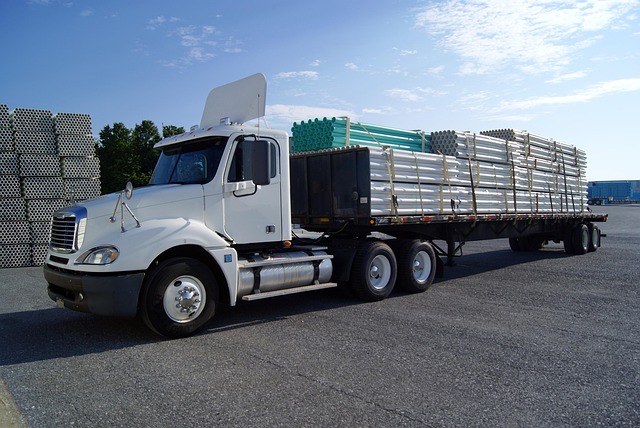
Before you can register your car in California, you’ll need to gather crucial documents that prove both your identity and the vehicle’s ownership. This process involves verifying key information, which is where a Vehicle Identification Number (VIN) verifier comes into play. A VIN inspection ensures the accuracy of data linked to your car, providing a vital step in ensuring legitimate transactions. In California, you can utilize mobile VIN verification services, allowing for convenient and efficient checks right from your location.
One common requirement is a valid driver’s license or state-issued ID card. Additionally, proof of ownership typically includes the previous owner’s signed title or a bill of sale that includes details like the vehicle’s make, model, year, and VIN. It’s essential to have these documents ready before attempting any registration process. For example, if you’re purchasing a car from an individual, ensure they provide a clear title and complete the necessary paperwork to transfer ownership.
Some individuals may also require additional documentation, such as proof of insurance or a valid registration from a different state. These can be obtained from your insurance provider or the relevant government agency. Using a mobile VIN inspection service before gathering these documents can streamline the process by confirming vehicle details and identifying any potential issues early on. This ensures you have accurate information when filling out registration forms, making the entire procedure more efficient.
Select an Appropriate California Vehicle Registration Class

Selecting the appropriate California vehicle registration class is a crucial step in the registration process, as it ensures your vehicle complies with state regulations and safety standards. The first consideration is identifying your vehicle’s type, whether it’s a car, truck, motorhome, or other specialized vehicle. Each category has specific requirements, including size, weight, and intended use. For instance, classic cars and custom vehicles may have different registration options compared to modern mass-produced models.
Next, the Vehicle Identification Number (VIN) plays a pivotal role in this process. A VIN inspection is essential to verify the vehicle’s history and ensure it meets environmental and safety standards. In California, mobile VIN verification services are available, allowing you to conduct this inspection conveniently at your location. These services use advanced technology to cross-reference your VIN with state databases, checking for any discrepancies or hidden issues. For example, a recent study showed that approximately 15% of vehicles in California have some form of identification or title issue, which can be detected through a thorough VIN inspection.
To streamline the registration process, understand the different registration classes and their requirements. Classes range from standard passenger vehicles to specialized types like motorcycles, recreational vehicles (RVs), and even low-speed electric vehicles. Each class has specific fee structures and documentation needs. For instance, commercial vehicles may require additional permits and inspections beyond the standard registration process. By accurately determining your vehicle’s class, you can avoid unnecessary delays or fines during registration.
Submit Application and Pass VIN Verifier Inspection

After gathering all your necessary documents, the next crucial step in registering your car in California is submitting your application and passing a VIN (Vehicle Identification Number) verifier inspection. This process ensures that your vehicle meets all safety and legal standards before it can be officially registered. When you submit your application, you’ll be required to provide detailed information about your car, including its make, model, year, and VIN. It’s essential to ensure the accuracy of this data as any discrepancies could delay or even prevent registration.
A key component of this process involves engaging a certified VIN verifier, who can conduct a thorough inspection of your vehicle. This professional service checks for any anomalies or tampering with critical components, ensuring that your car is safe and compliant with California’s regulations. Many verified inspectors offer convenient mobile vin inspection services, allowing you to complete the verification process from the comfort of your home or workplace. Alternatively, you can visit an inspection station, though mobile options can save you time and effort.
During the VIN inspection, the verifier will cross-reference your vehicle’s information against state databases to ensure it hasn’t been reported stolen or has any outstanding issues. They’ll also verify that the odometer reading is accurate and not tampered with. Once your car passes this inspection, you’re one step closer to completing the registration process. It’s worth noting that some states offer online platforms for scheduling and managing these inspections, streamlining the entire experience.
Register Your Car Online or In-Person: A Step-by-Step Guide
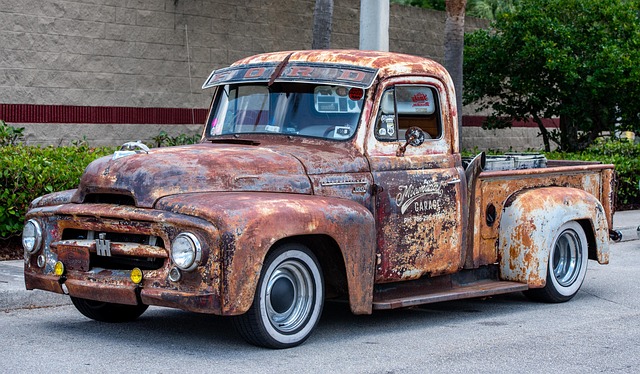
Registering a car in California involves several steps, but with the right approach, you can make the process efficient. One of the key decisions you’ll face is whether to register your vehicle online or in person at a DMV office. Both methods have their advantages, and understanding the process for each will ensure a smooth experience. If you’re tech-savvy and value convenience, registering online could be the ideal choice. The California DMV offers an extensive online registration system that allows you to complete the process from the comfort of your home or on the go using your smartphone or computer.
To begin the online registration process, start by accessing the official California DMV website and locating the vehicle registration section. Here, you’ll be prompted to enter your unique Vehicle Identification Number (VIN) using a reliable VIN verifier. A mobile VIN verifier app can make this step straightforward, ensuring accuracy and saving time. Once verified, you’ll input ownership details, insurance information, and other required documentation, such as proof of identification and residency. The DMV will then process your application, generating a registration certificate that can be downloaded and printed for immediate use.
In-person registration offers the benefit of real-time assistance and immediate feedback on any issues. If you’re unsure about your eligibility or have specific circumstances, visiting a DMV office is advisable. Upon arrival, locate the window dedicated to vehicle registration and provide your documentation, including the completed application form and applicable fees. An employee will verify your information using a mobile VIN verifier to ensure the vehicle’s history aligns with your details. After a quick inspection, they’ll process your registration, providing you with the necessary paperwork and license plate stickers.
Registering a car in California involves several key steps, from preparing vehicle documents to passing a VIN verifier inspection. By ensuring you have all necessary identification, proof of ownership, and selecting the appropriate registration class, you streamline the process. Whether registering online or in-person, following the step-by-step guide guarantees a successful and efficient outcome. Remember, the VIN verifier plays a crucial role in this process, confirming your vehicle’s authenticity and ensuring compliance with California regulations.